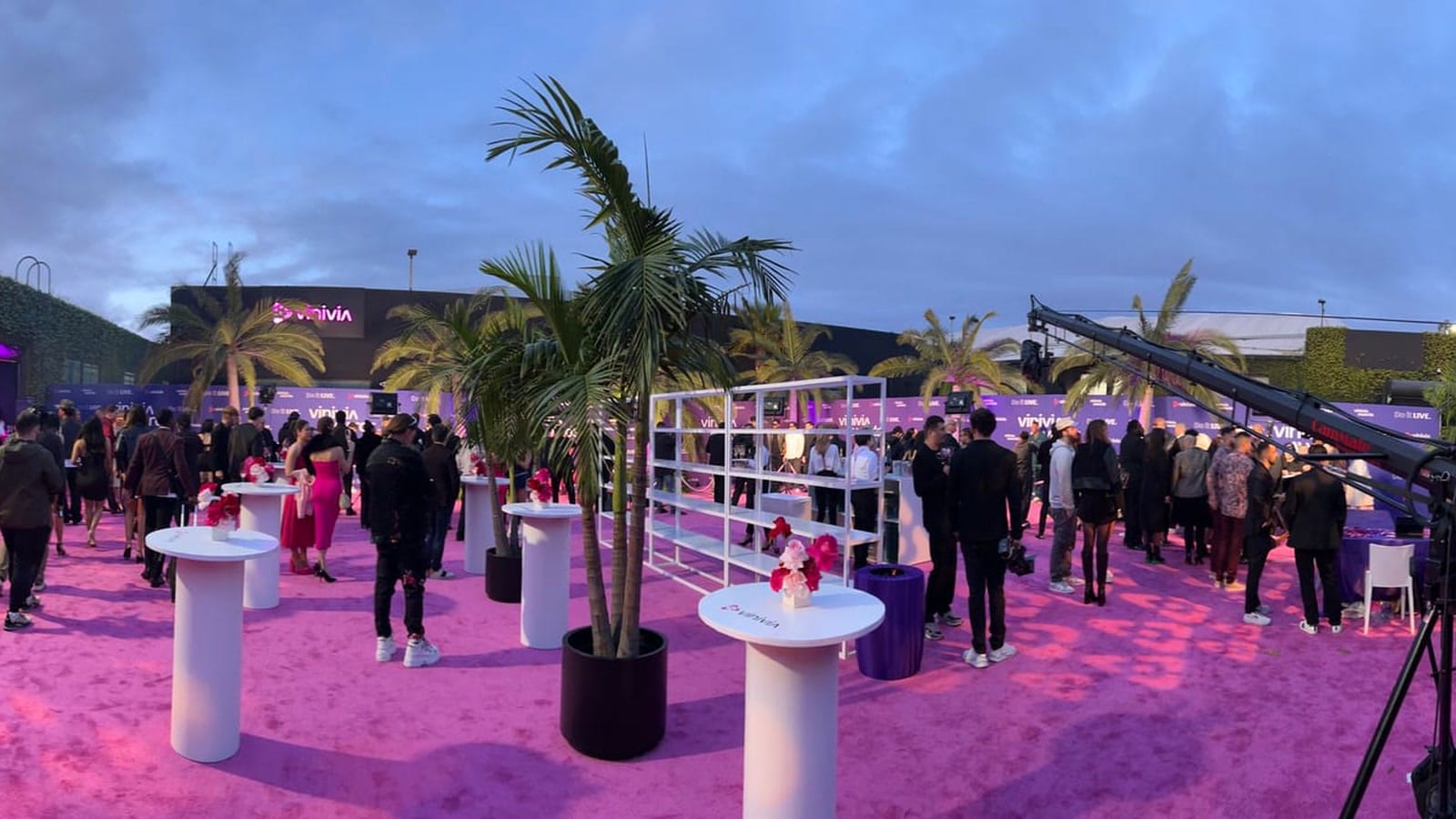
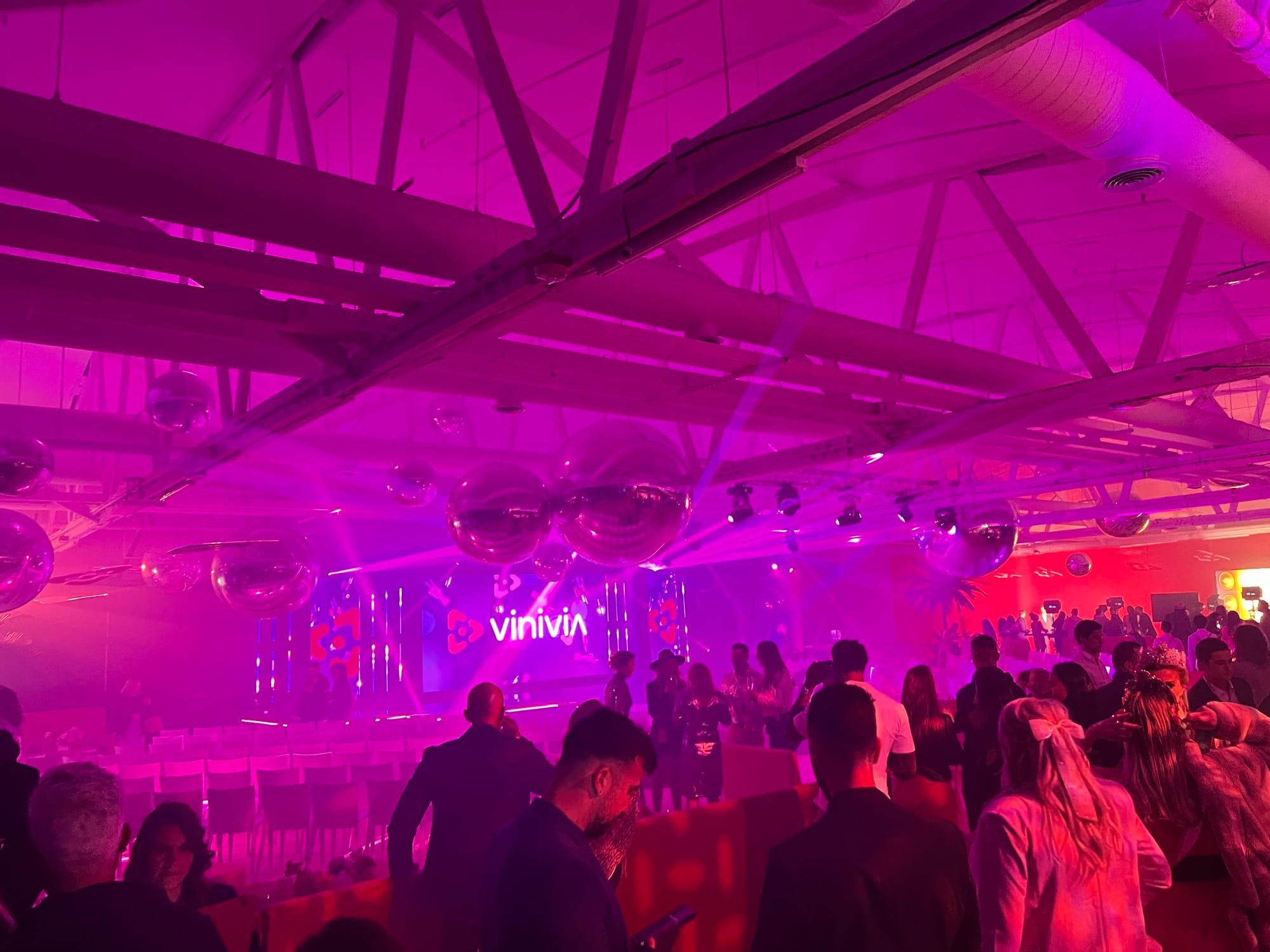
On April 4, 2024, the Vinivia Awards brought creators and guests to Optimist Studios in Los Angeles for a live product launch. I worked with the transmission team to help carry the event beyond the venue and into Vinivia's streaming platform.
The assignment was not simply to send out one feed. We needed a low-latency workflow that could continue operating if any individual connection became unavailable, while the venue also supported the connectivity needs of the event and its attendees.
Building independent transmission paths
Our design combined gigabit internet, satellite connectivity, and bonded cellular service into parallel paths. That gave the transmission team options instead of tying the launch to one provider or one physical connection.
My responsibility centered on the transmission workflow: helping integrate the available paths, monitoring their behavior, and adapting the system as the conditions around the production changed. Phenix supported the low-latency delivery, and its engineer Jim was an important collaborator as the workflow came together.
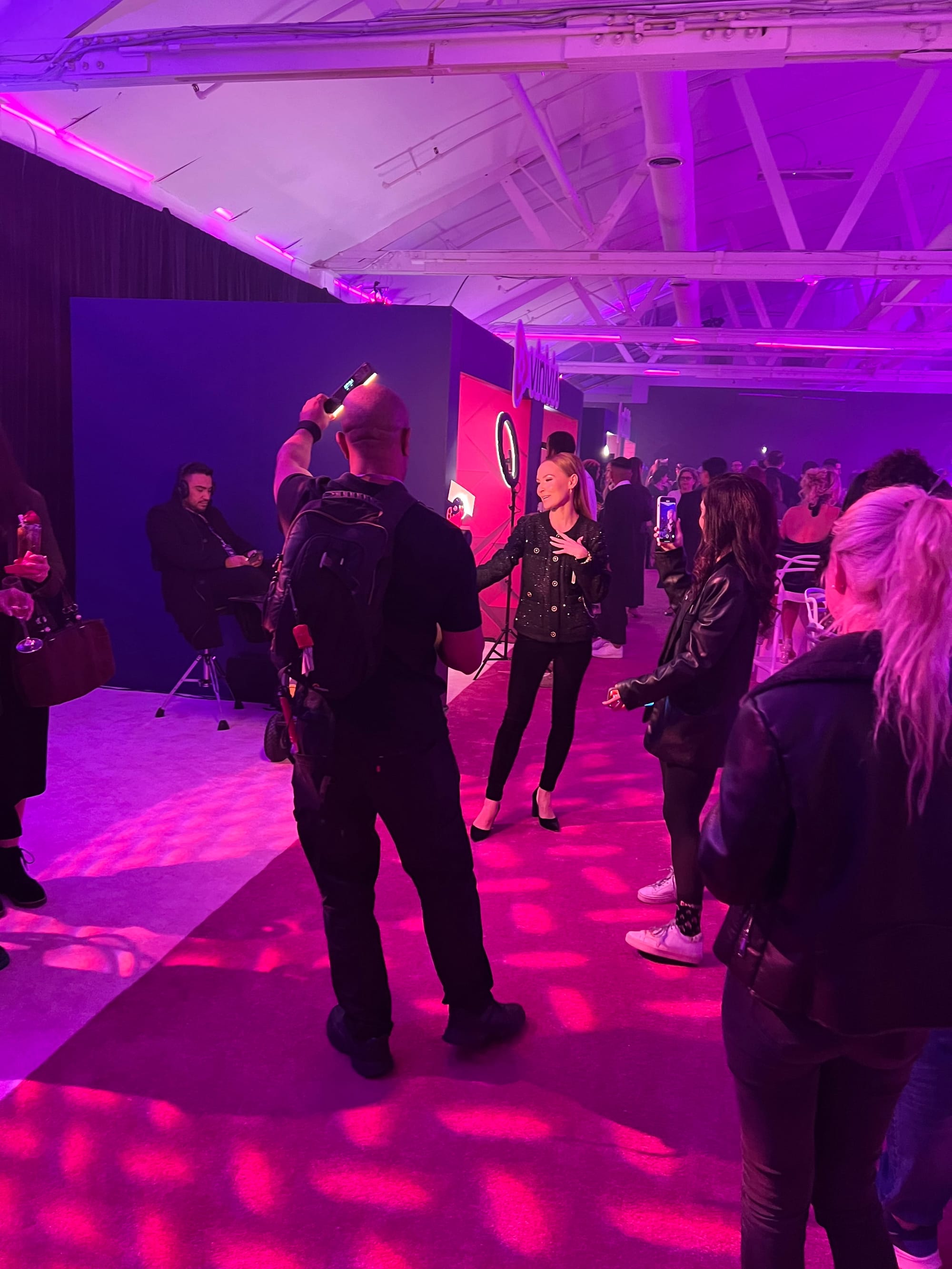
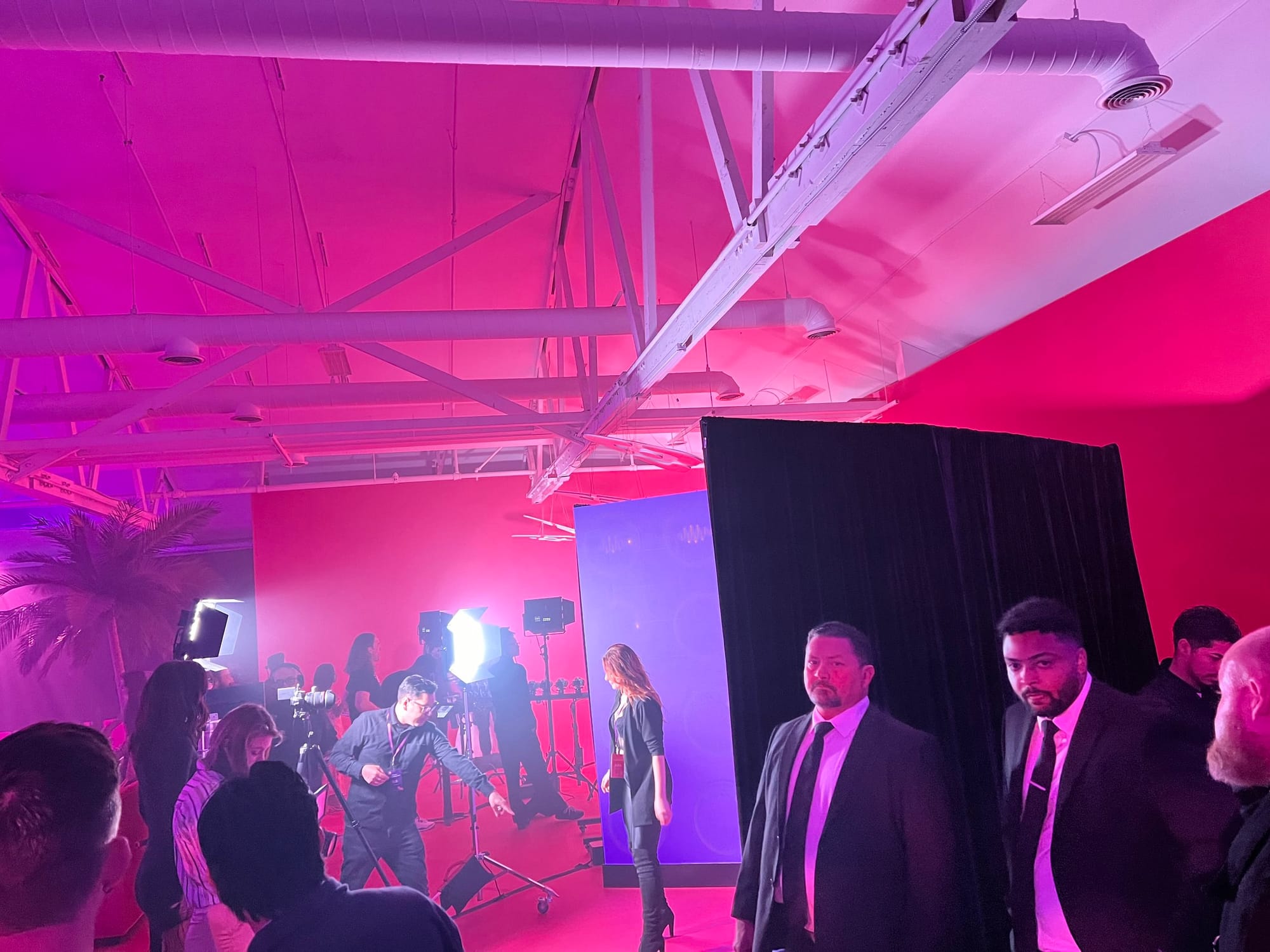
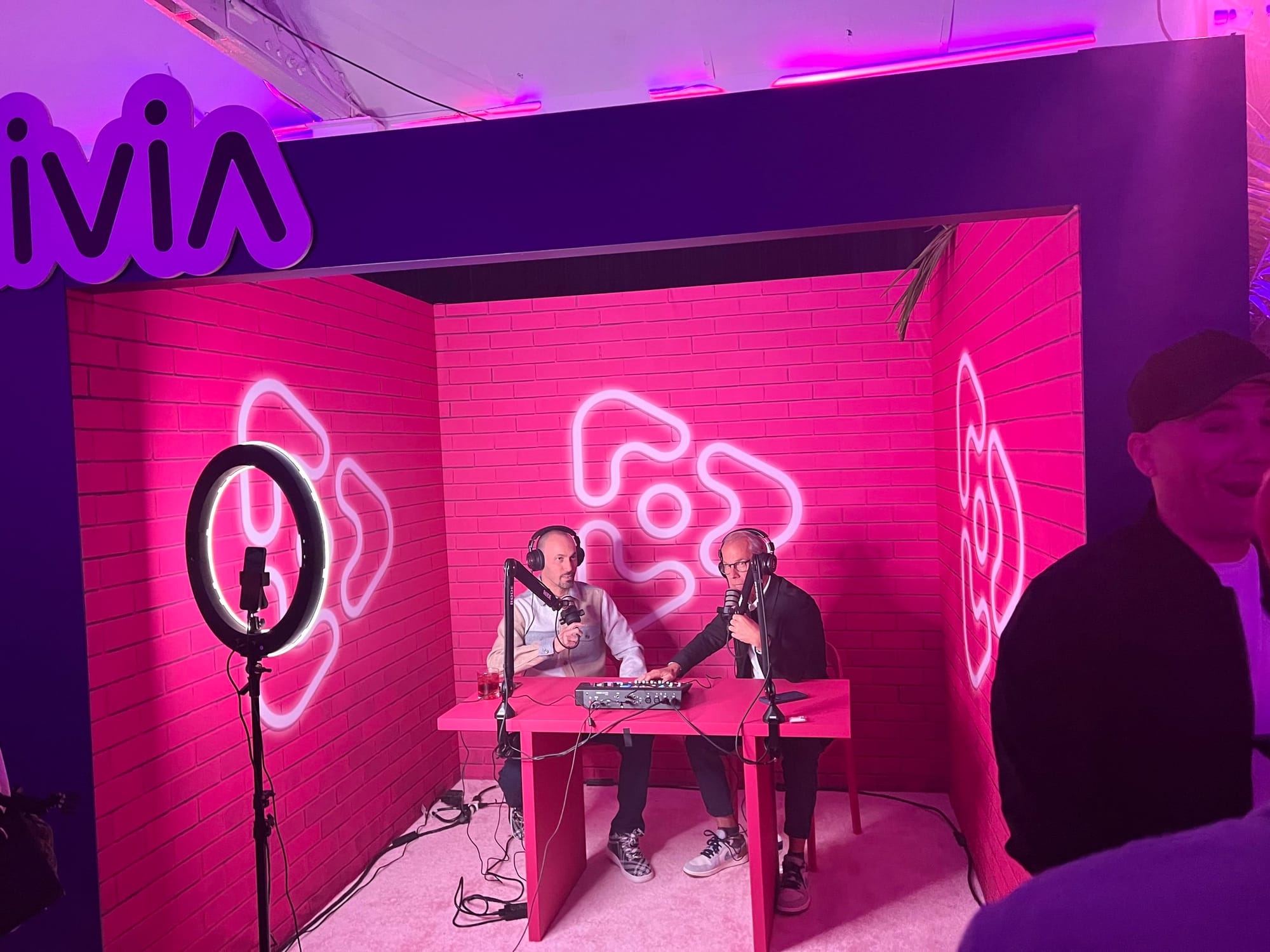
The architecture also had to coexist with the event's broader network demand. Attendee Wi-Fi and production traffic served different purposes, but both were part of the same live environment. Keeping the transmission paths deliberate and observable helped the team protect the launch while the venue remained active around us.
Adapting at the venue
Intermittent rain and cold affected an outdoor setup, while venue access and shared power introduced additional constraints. None of those conditions changed the objective: maintain a stable transmission workflow without disrupting the event.
The team adjusted equipment placement and changed where parts of the system drew power rather than attempting a disruptive move during final preparation. Those were small decisions compared with the scale of the launch, but they are often what determine whether a live system remains dependable.
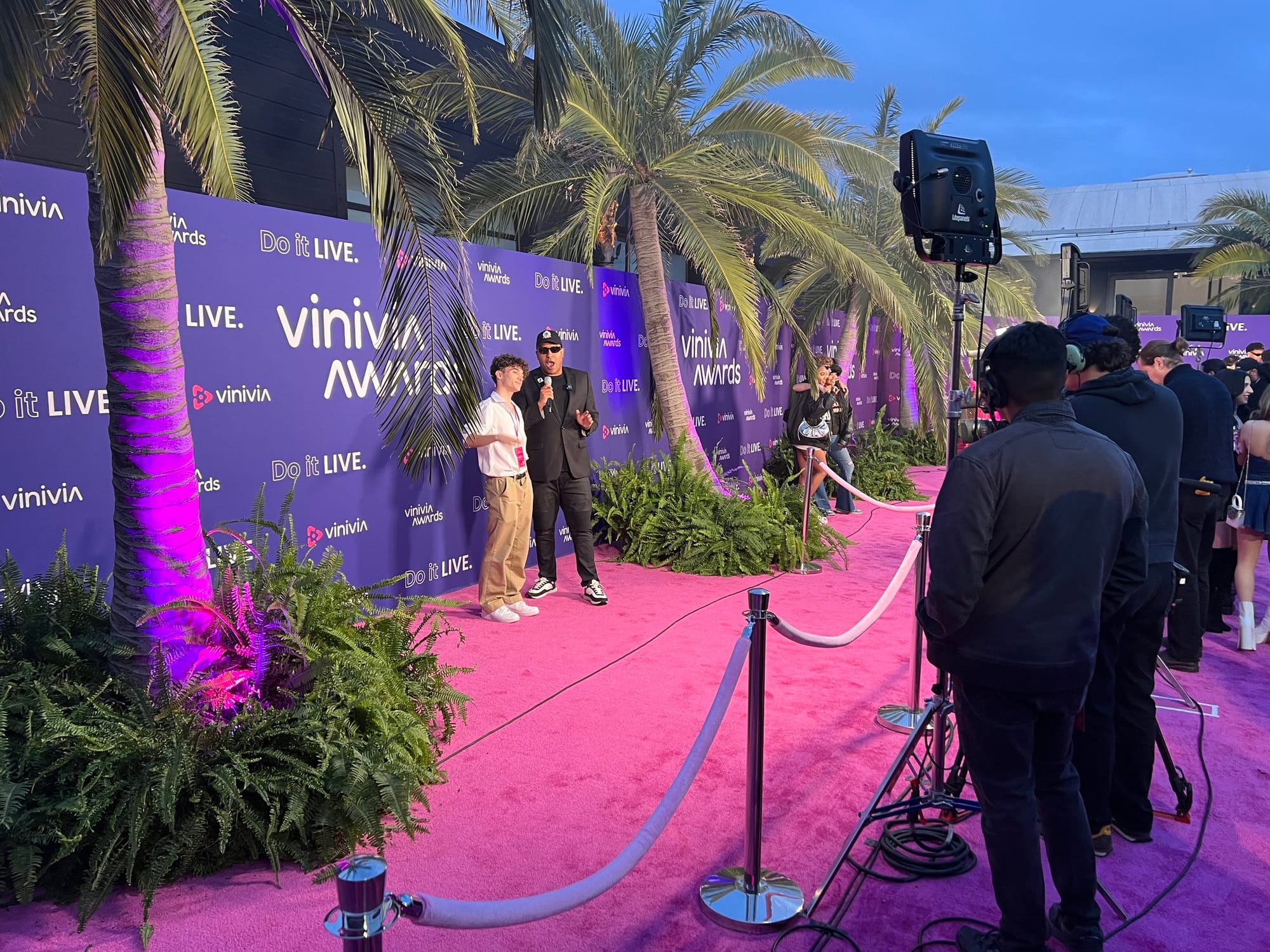
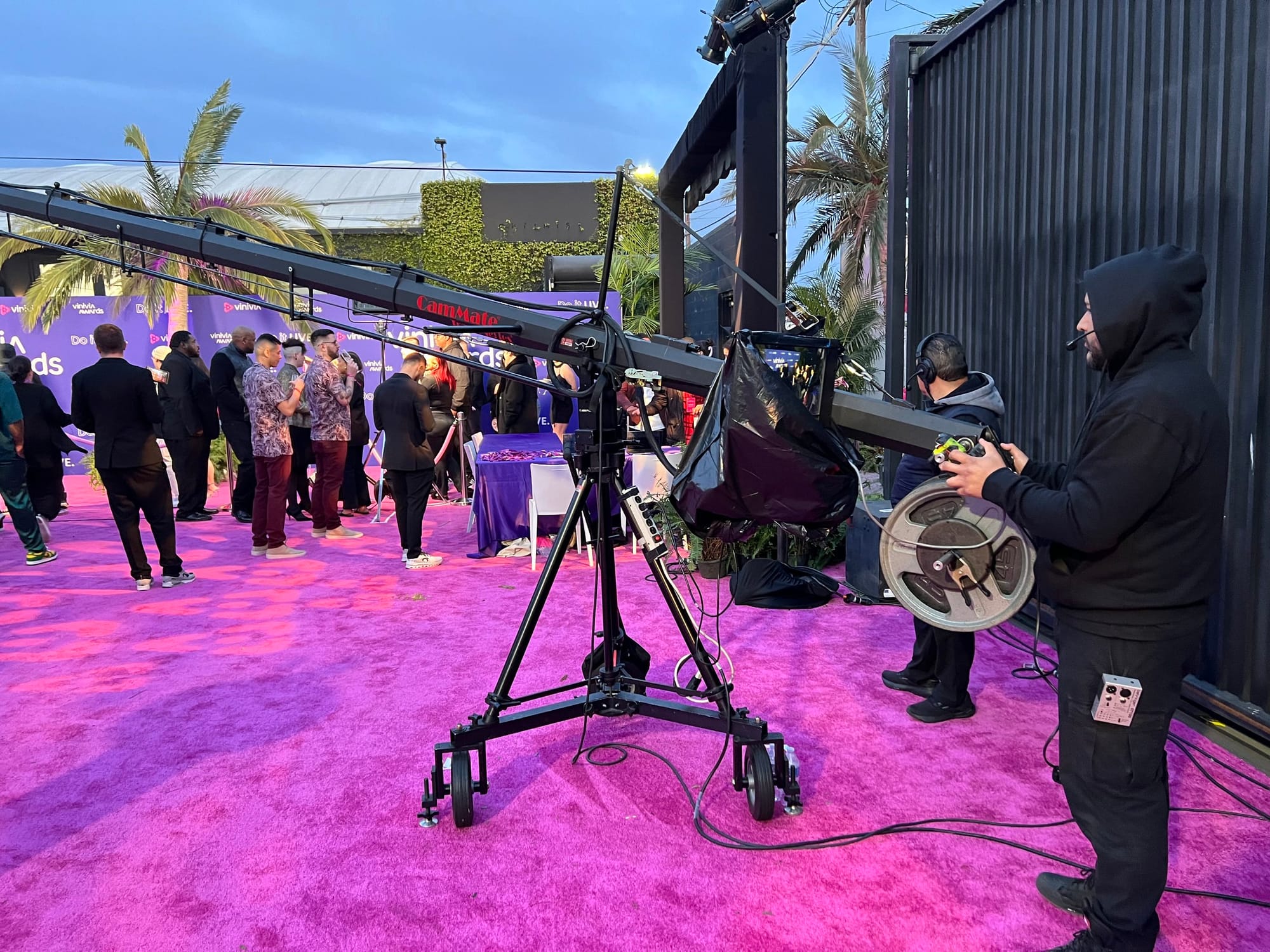
Marcello Genovese helped keep the teams aligned as technical and event needs changed. That support made it easier to solve the immediate issue and keep the larger production moving.
The result
When the Vinivia Awards began, the redundant paths were in place and the team could monitor the stream as creators moved through the event. The finished workflow connected the on-site production with Vinivia's audience while giving the transmission team practical alternatives if conditions changed.
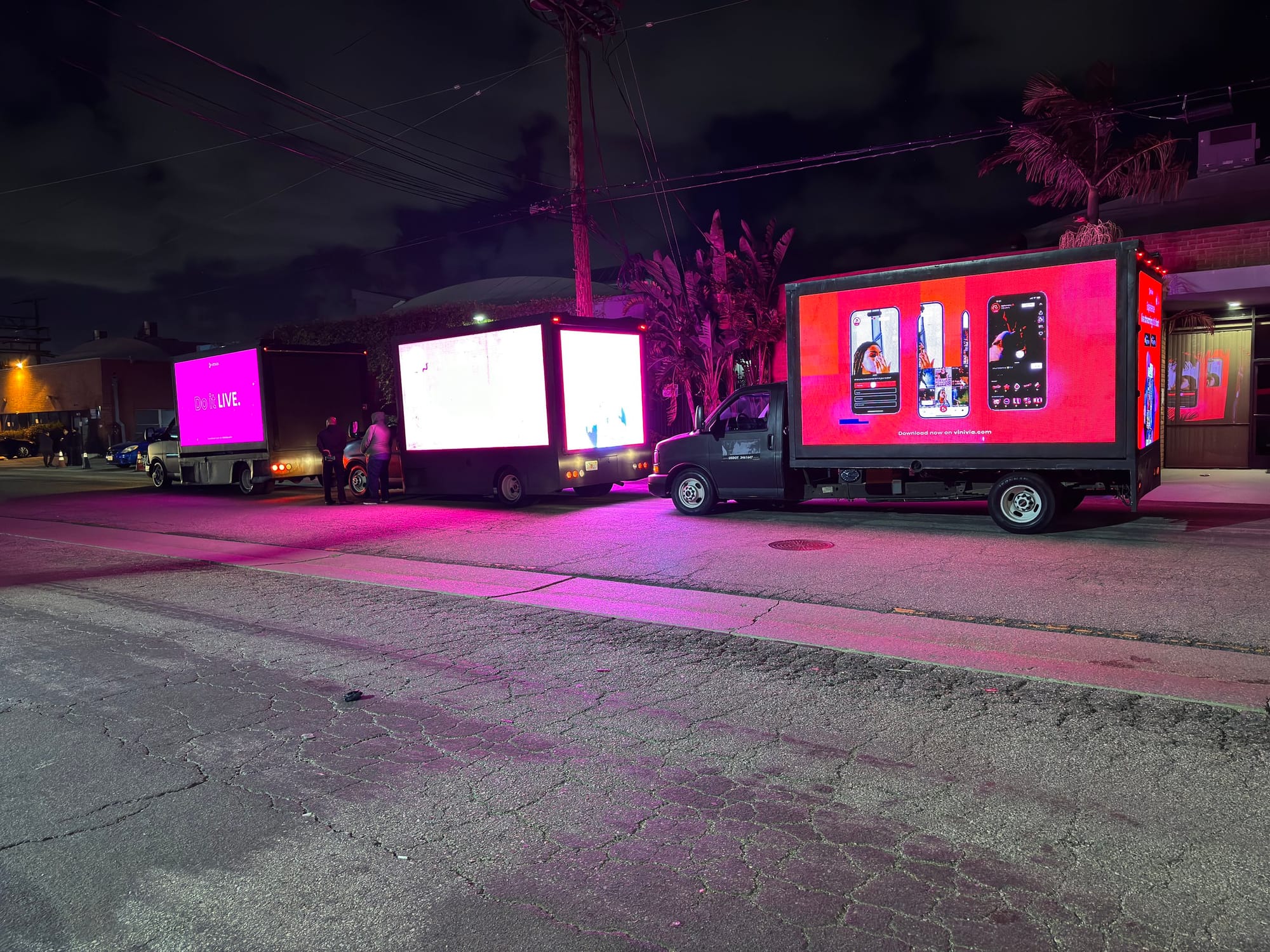
The project reinforced a principle that continues to shape my live-production work: redundancy is not only about buying a second connection. It comes from understanding which parts of a system are truly independent, making their behavior visible, and giving the team a clear way to adapt under pressure.
That is the work I enjoy most—building systems that stay calm enough for the creative team to concentrate on the event.