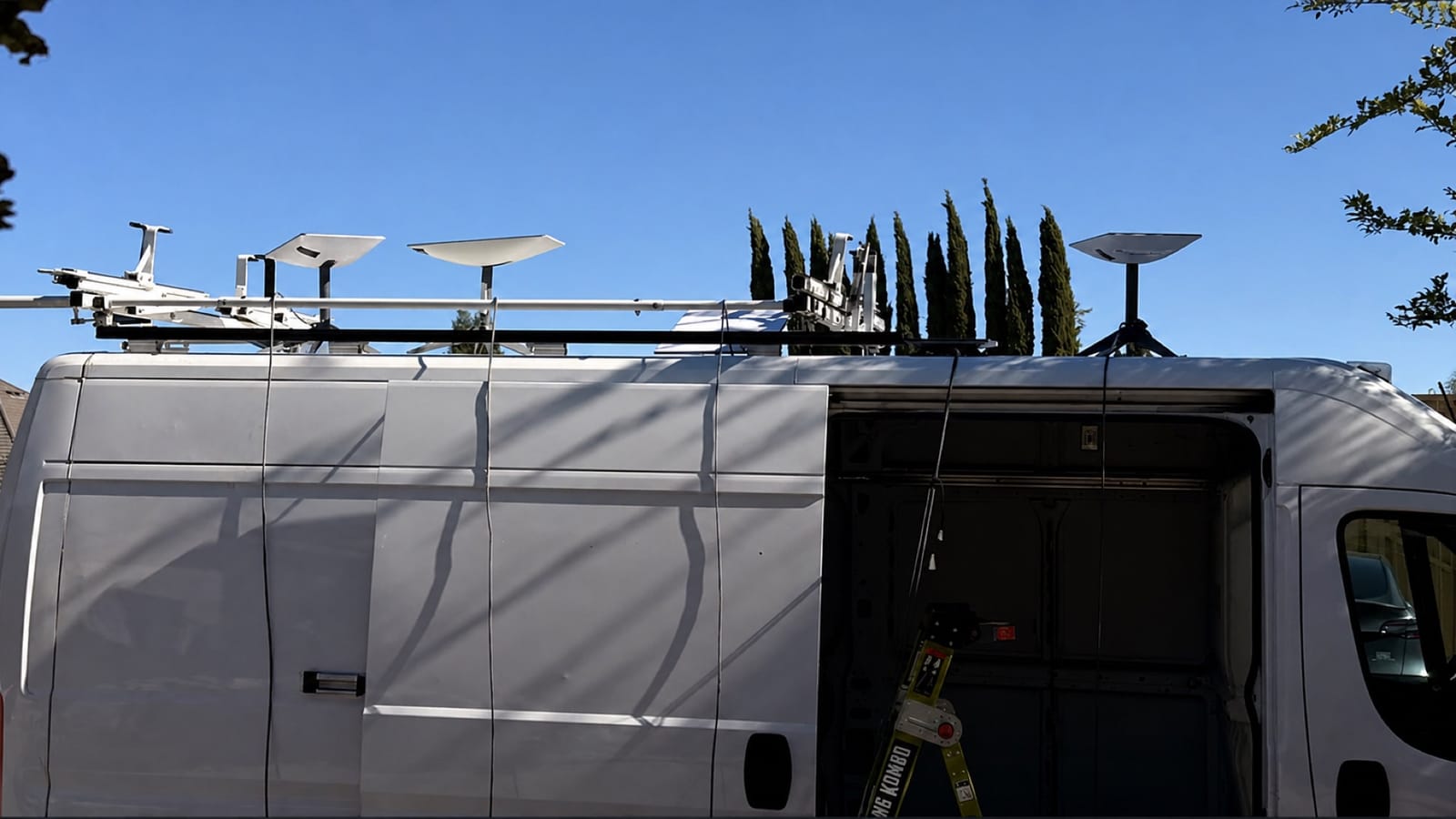
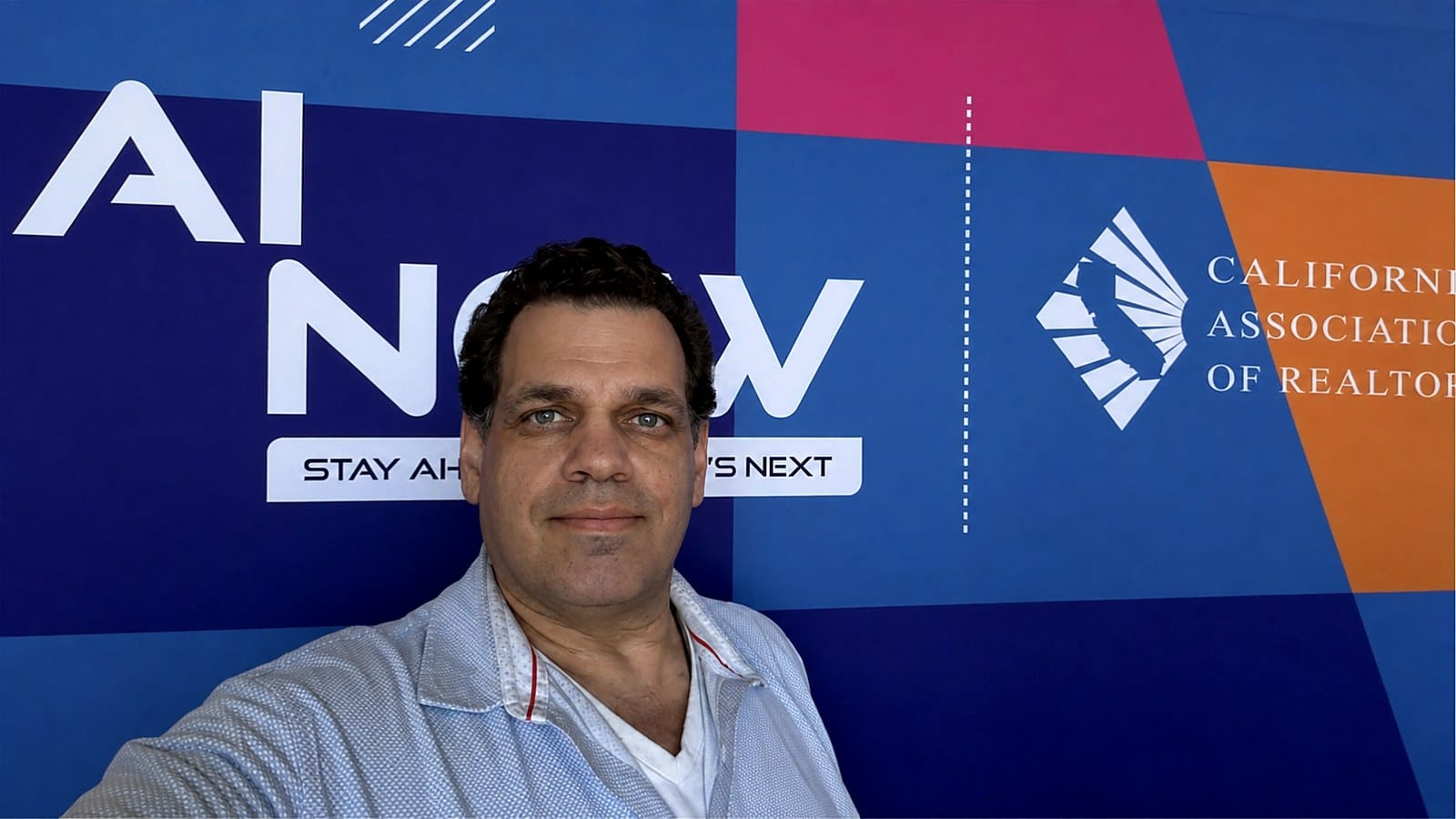
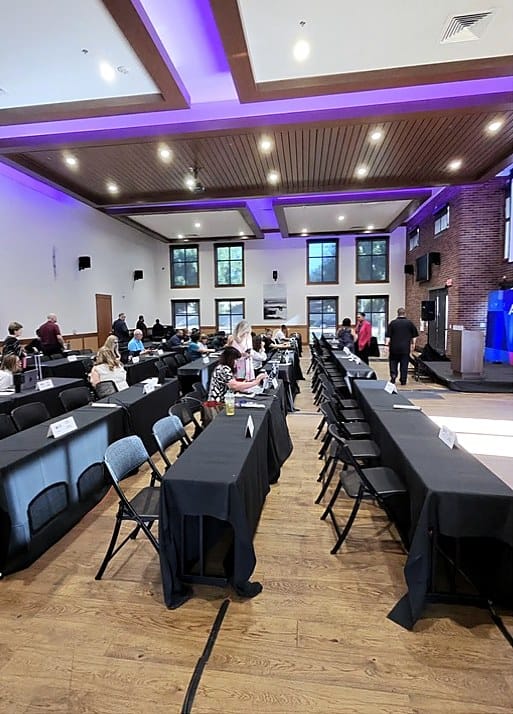
On July 22 and 23, I was in Fresno with Streaming Media Live to build and run the temporary internet system for AI NOW, hosted by the California Association of REALTORS®.
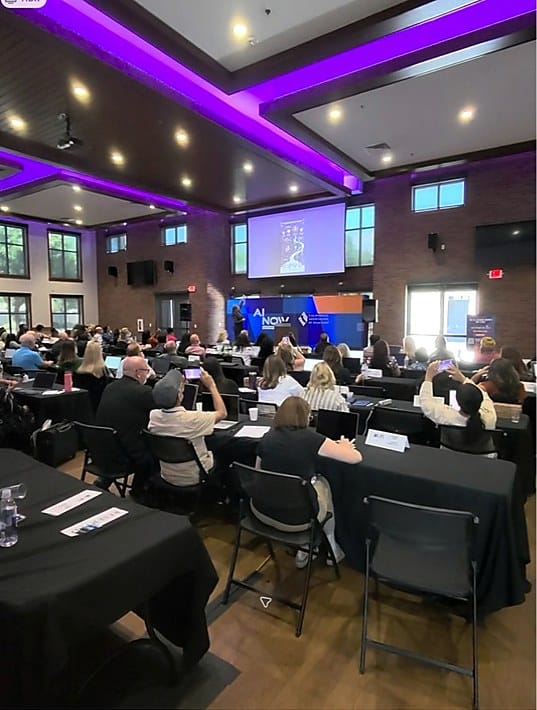
This was a hands-on AI conference expecting approximately 120 attendees. Because people would be working directly with online AI tools—not simply checking email—we planned around roughly 6 megabits per second of download capacity per attendee. That put the working requirement at approximately 720 Mbps before accounting for presenters, production equipment, multiple devices, or additional headroom.
The entire network was my responsibility—from deploying the Starlink connections and building five individual Wi-Fi setups to monitoring the system and helping people stay connected during the program.
Building five independent networks
Setup began on July 22. I prepared five active Starlink connections, each supporting its own Wi-Fi setup, so coverage and traffic could be distributed across the venue rather than depending on one shared connection. Together, the five connections provided approximately 1,200 Mbps—or 1.2 Gbps—of aggregate download capacity.
A sixth Starlink remained ready as a reserve. It was not needed during the event, but having it available was part of the design: live-event redundancy is most useful when it is prepared before a problem occurs.
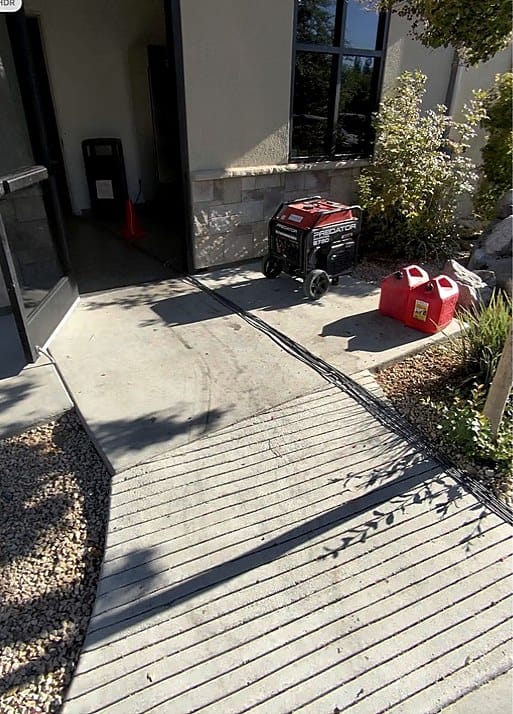
The physical work included placing and checking the satellite terminals, routing cabling, preparing power, configuring the wireless networks, and confirming that each area could connect as intended. The system needed to be understandable enough to operate quickly while still giving me separate paths to monitor and troubleshoot.
Supporting the room, not just the equipment
On July 23, the work shifted from installation to active support. I monitored the connections as the room filled, helped people get connected, and handled the smaller technical needs that naturally appear during a live event.
At its peak, the system supported approximately 165 connected devices—more devices than the original 120-person attendance estimate. One attendee might have both a laptop and a phone connected, while presenters and production equipment added their own demand. The network had become shared event infrastructure, not simply a connection for one production workstation or presenter’s laptop.
The five separate Wi-Fi setups also gave the deployment a practical advantage: demand could be spread across multiple Starlink connections instead of concentrating every device on a single path. The sixth unit remained available in reserve throughout the event.
A temporary network with a clear purpose
This was not a permanent venue installation. It was a temporary network designed for a specific production, assembled on-site and removed when the job was complete. That changes the engineering priorities.
The equipment has to travel well. Setup needs to be repeatable. Cabling and power must fit the venue without disrupting other departments. Most importantly, the system has to remain manageable while the event is already in progress.
That is the part of live network work I continue to value: the technology matters, but the real job is creating an environment where everyone else can concentrate on their own work. For AI NOW Fresno, that meant building the connections, staying available throughout the event, and giving the room a network it could simply use.