When COVID-19 changed how productions could operate, SetNet needed a practical way to support professional cameras and creative collaboration with fewer people physically present. As SetNet's IT Manager, I worked with owner and DIT Dan Skinner to lead the technical development of a portable remote-production workflow.
The objective was not to reproduce an entire set somewhere else. It was to identify the controls, signals, and conversations that people needed, then build a dependable way to extend those functions beyond the location.
Combining connectivity and camera control
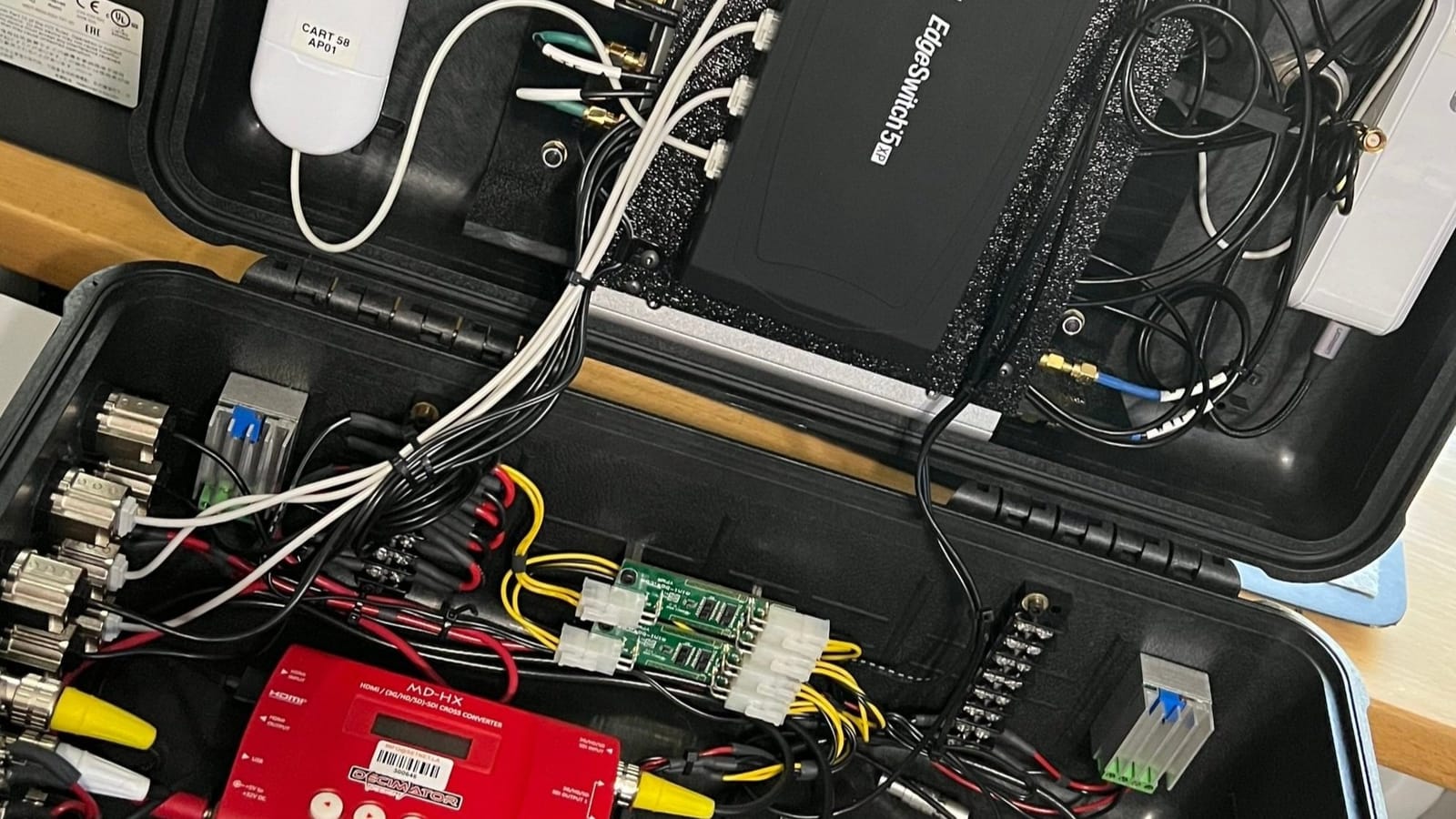
The system combined bonded cellular connectivity with interfaces for remote camera operation, microphones, lighting, and live monitoring. A conferencing platform gave directors, clients, and other approved participants a familiar way to communicate while viewing the production feed.
My work crossed the complete technical path: connectivity design, remote camera control, live monitoring, conferencing integration, equipment packaging, testing, documentation, and training. Dan contributed his production and DIT perspective so the system supported how crews actually worked rather than treating the network as an isolated product.
Turning a prototype into a repeatable workflow
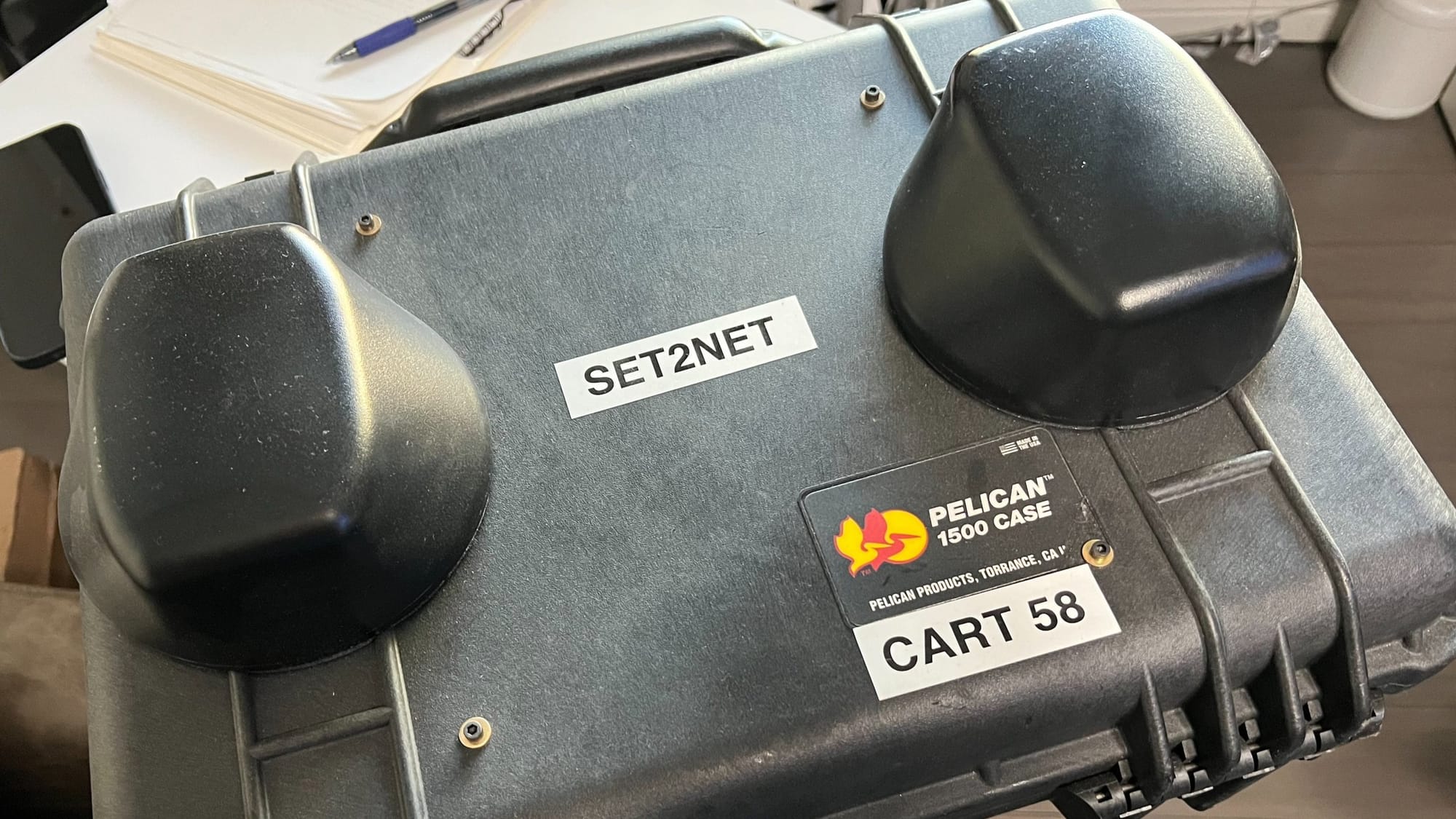
Portable equipment only becomes useful when a team can deploy and support it consistently. We organized the components into a field-ready package, tested how the connections behaved, documented the setup, and trained the people who would operate or support it.
The workflow was used to support remote participation across production locations during a period when normal working arrangements were changing quickly. This article does not claim that the system saved the film industry, preserved a specific number of jobs, or single-handedly created remote production. Its value was narrower and more concrete: it gave SetNet a tested way to connect professional production tools with people who could not all be in the same place.
What the project changed for me
The project reinforced that remote production is a systems problem as much as a video problem. Connectivity, control, monitoring, communication, packaging, and training all had to work together before the technology could become dependable in the field.
It also demonstrated the value of pairing infrastructure engineering with production experience. Dan and I approached the same workflow from different but complementary directions, and the resulting system was stronger because both perspectives shaped it.