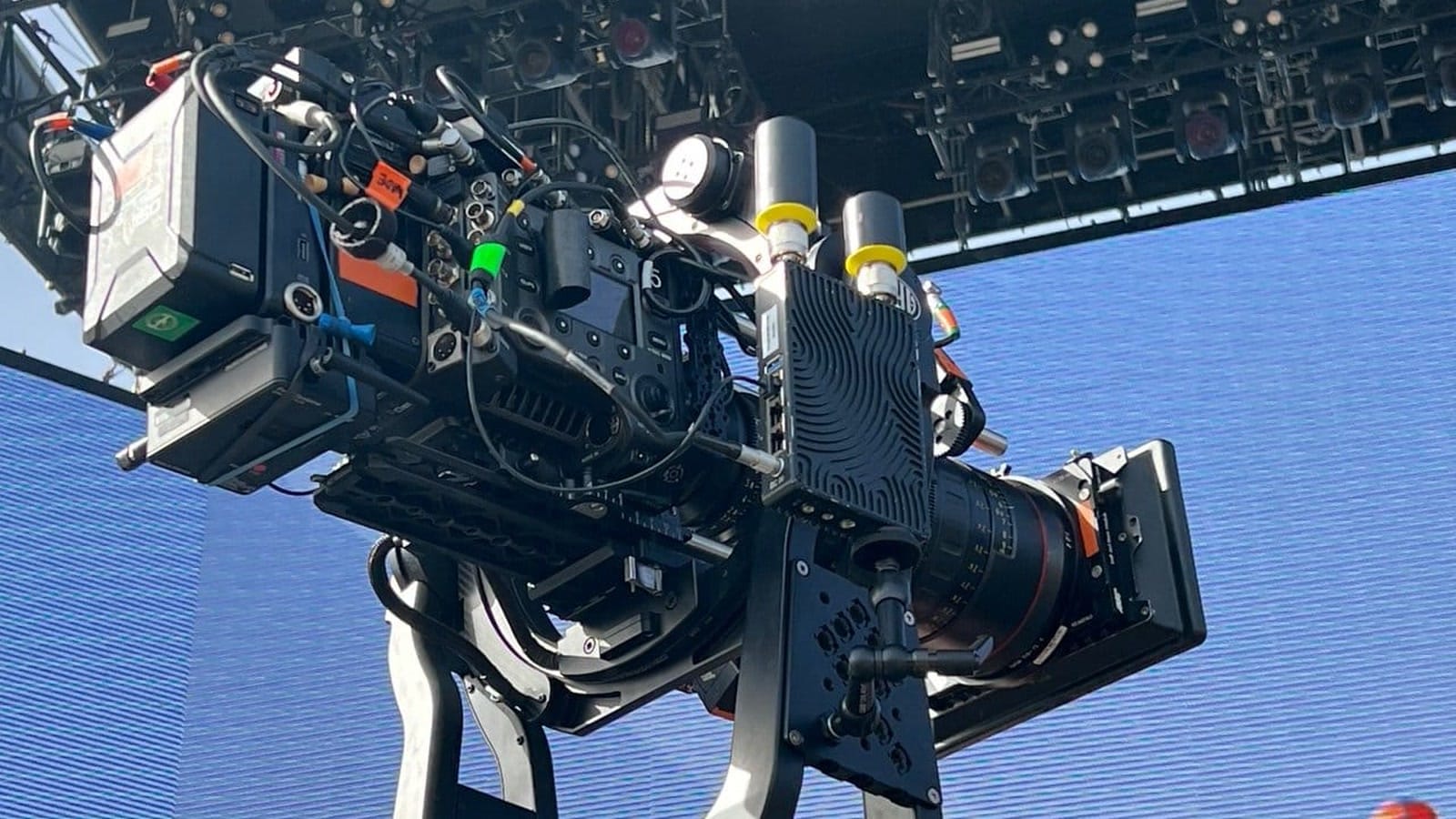
FeedRF owners Dan Skinner and Jeremiah Goike built the company around wireless video tools for film sets and live events. As FeedRF's IT Manager, RF and Network Engineer, I contributed to both the development of the CineVue product line and the work required to deploy it in real production environments.
My responsibility crossed product engineering and field operations. I worked on hardware, software and firmware, RF design, network and system architecture, physical packaging, testing, and improvements that came directly from using the equipment on productions.
Developing CineVue as a complete system
The CineVue line included micro transmitters, the CineVue QDR receiver, and CineVue Director receivers. Each component had a specific role, but the practical engineering challenge was making the full signal path dependable when it was installed on professional camera systems and used by production teams.
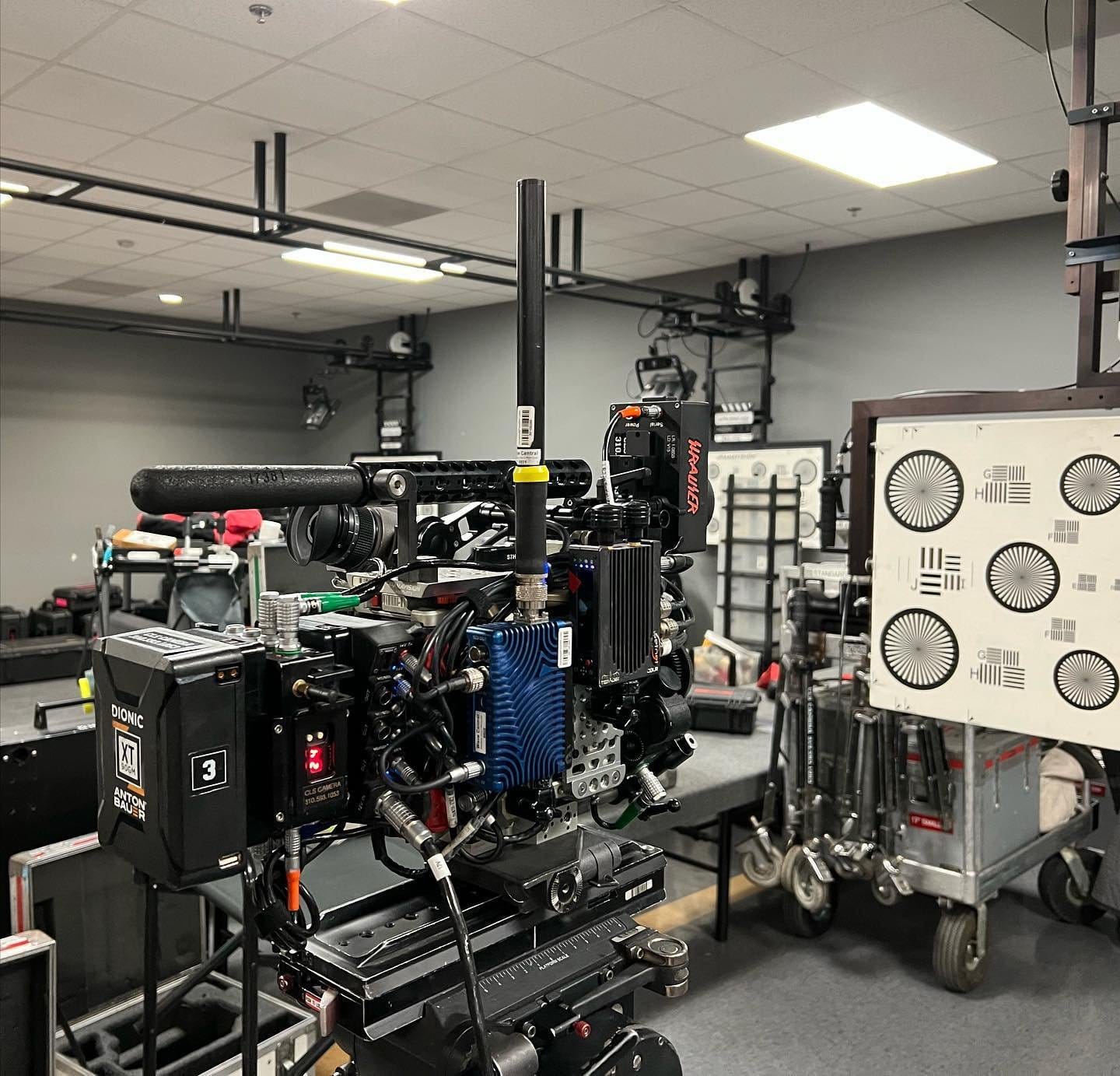
That required more than RF performance alone. Power, mounting, packaging, network behavior, monitoring, software and firmware, and the operator's workflow all affected whether the system was ready for the field. Testing and field feedback gave us a direct path from production needs back into product improvements.
Supporting major productions
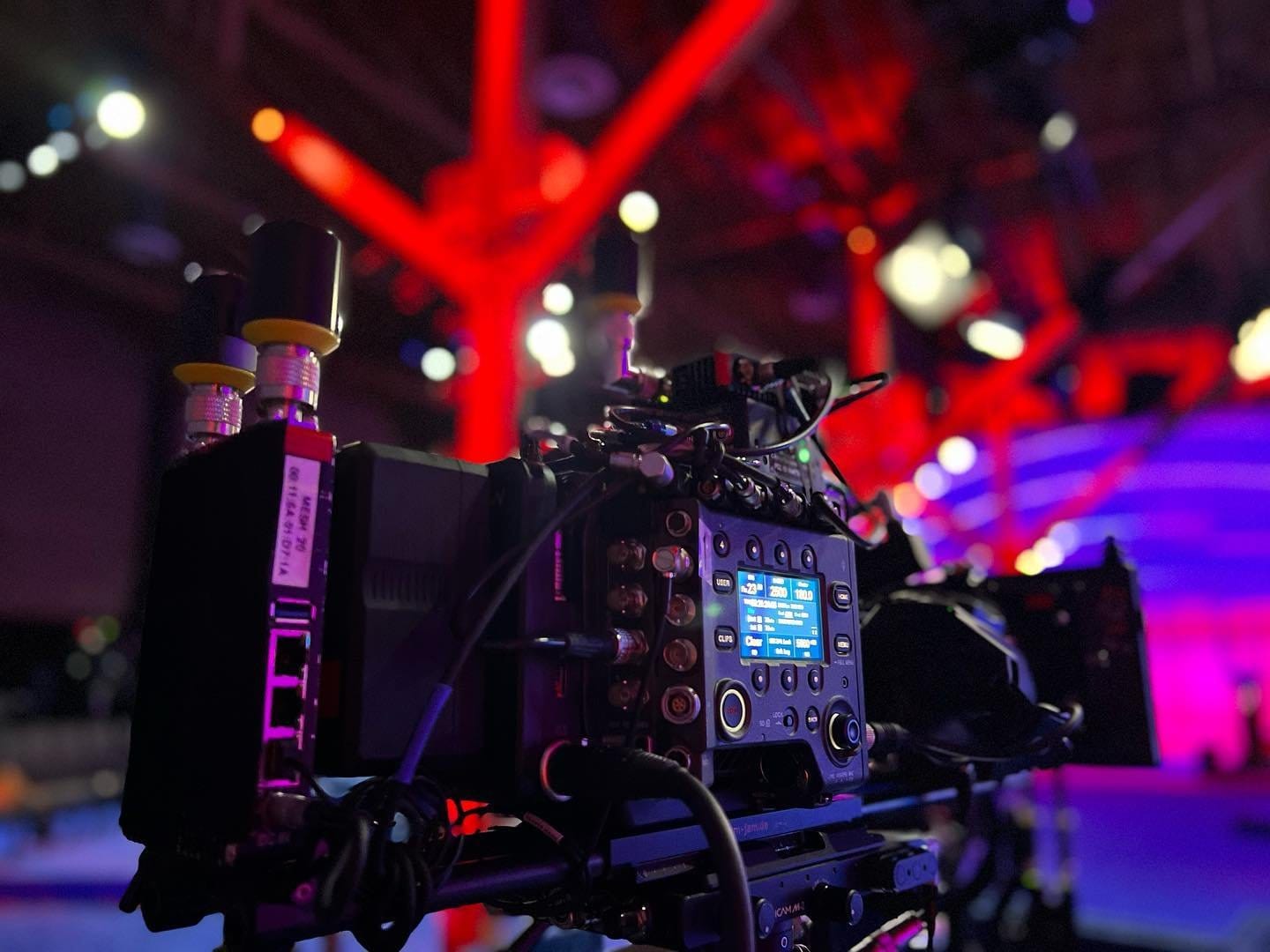
I personally supported CineVue work at Coachella, the Rock & Roll Hall of Fame, the film Rocketman, Billie Eilish's Happier Than Ever concert film, and additional productions. My field responsibilities included RF coordination, network setup, equipment deployment, on-site operation, troubleshooting, and client support.
Every production brought a different physical layout, camera plan, and RF environment. The goal was not to make broad claims about transforming the industry. It was to give crews a carefully developed and supported wireless-video system that could be adapted to the work in front of them.
Connecting product development with field experience
FeedRF gave me the opportunity to work across the boundary between product development and production engineering. A choice made in hardware, firmware, networking, or packaging could affect the person carrying the camera or monitoring the signal, while an issue found in the field could become the next engineering improvement.
That feedback loop became the most important part of the work for me: design the system, test it, support it under real conditions, and bring what we learned back into the next version.