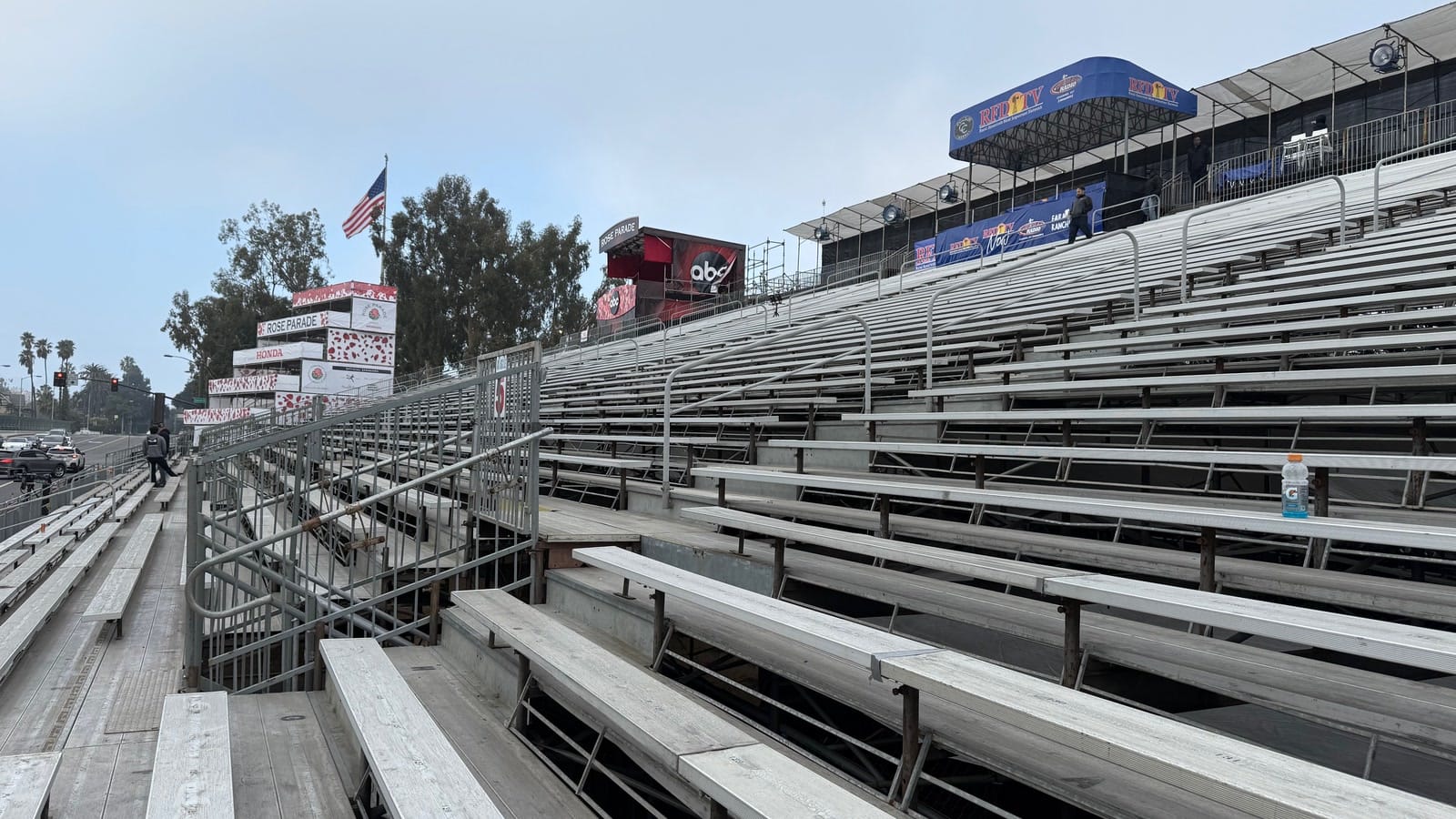
The 2025 Rose Parade took place in Pasadena on January 1, but my work on its distribution workflow began in November. I helped evaluate, test, and prepare the cloud and encoding systems that would carry the program beyond the parade route.
This was a return to an annual production rather than a reason to trust a saved configuration without testing. The team needed current evidence about the distribution, measurement, and backup paths before the equipment reached the event site.
Testing the distribution design
The early work centered on the cloud distribution workflow and its primary and backup routes. I reviewed the existing stack, tested its behavior, and helped troubleshoot a Secure Reliable Transport (SRT) delivery issue with the team.
That process turned a diagram into an operating plan. It documented the intended primary and backup behavior, defined the checks needed before show week, and kept endpoint addresses, access methods, identifiers, and configuration values private.
Integrating timing and audience measurement
December added the systems around the main video path. I prepared a cloud production platform, tested destinations and Society of Cable Telecommunications Engineers (SCTE) timing markers, and worked through audience-measurement integration. Additional distribution testing added ingest, recording, and verification checkpoints.
These integrations had to agree about more than whether a picture was visible. Timing data, recording behavior, measurement signals, and the program itself all needed to be checked across the workflow. Several rounds of testing gave the team time to find differences before parade day.
Moving from the lab to Pasadena
The on-site phase began with load-in on December 29, followed by setup on December 30 and stream testing on December 31. Each day narrowed the gap between the remote preparation and the real production environment: physical cabling, final configuration, destination checks, and team handoffs all had to line up.
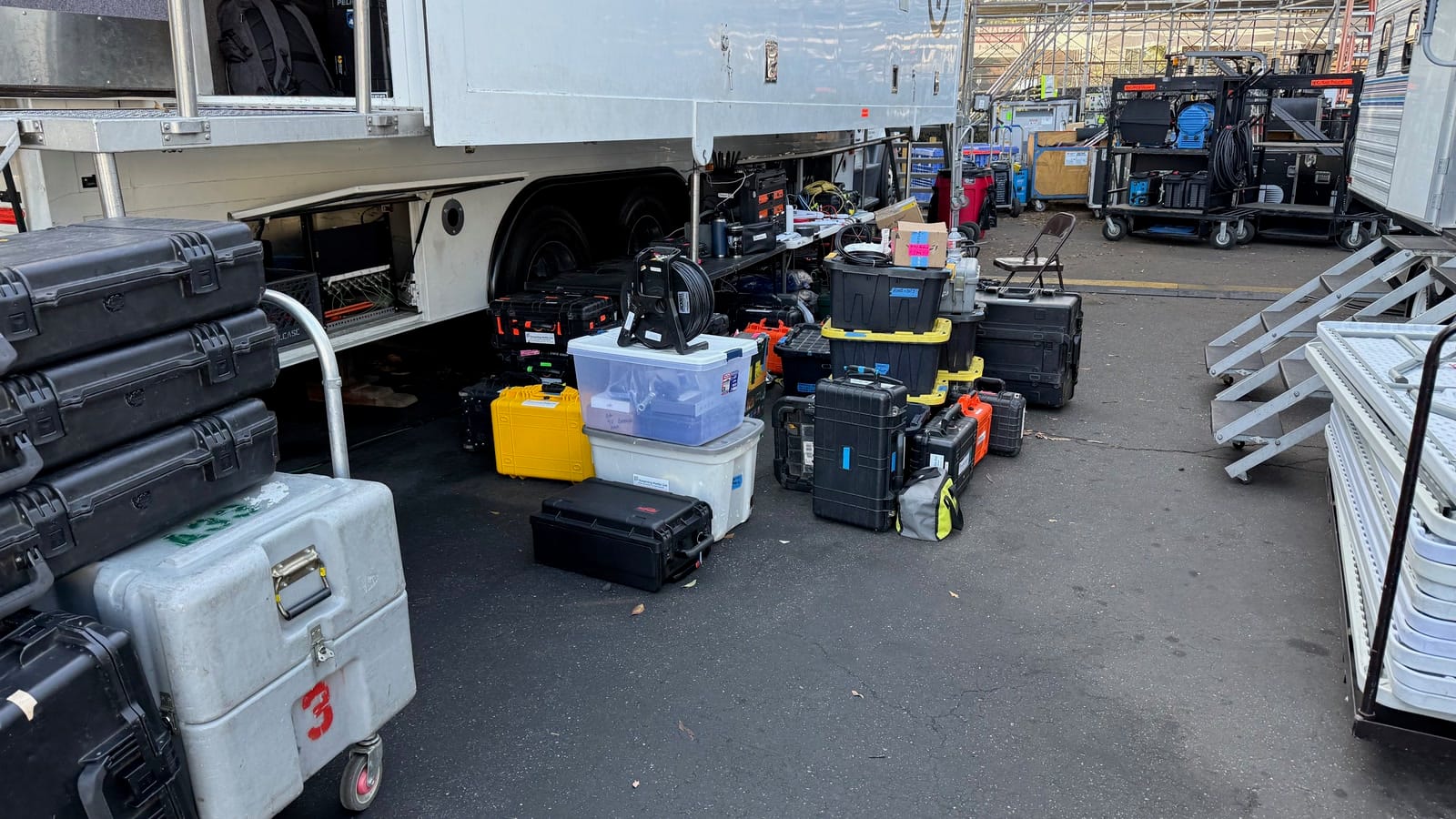
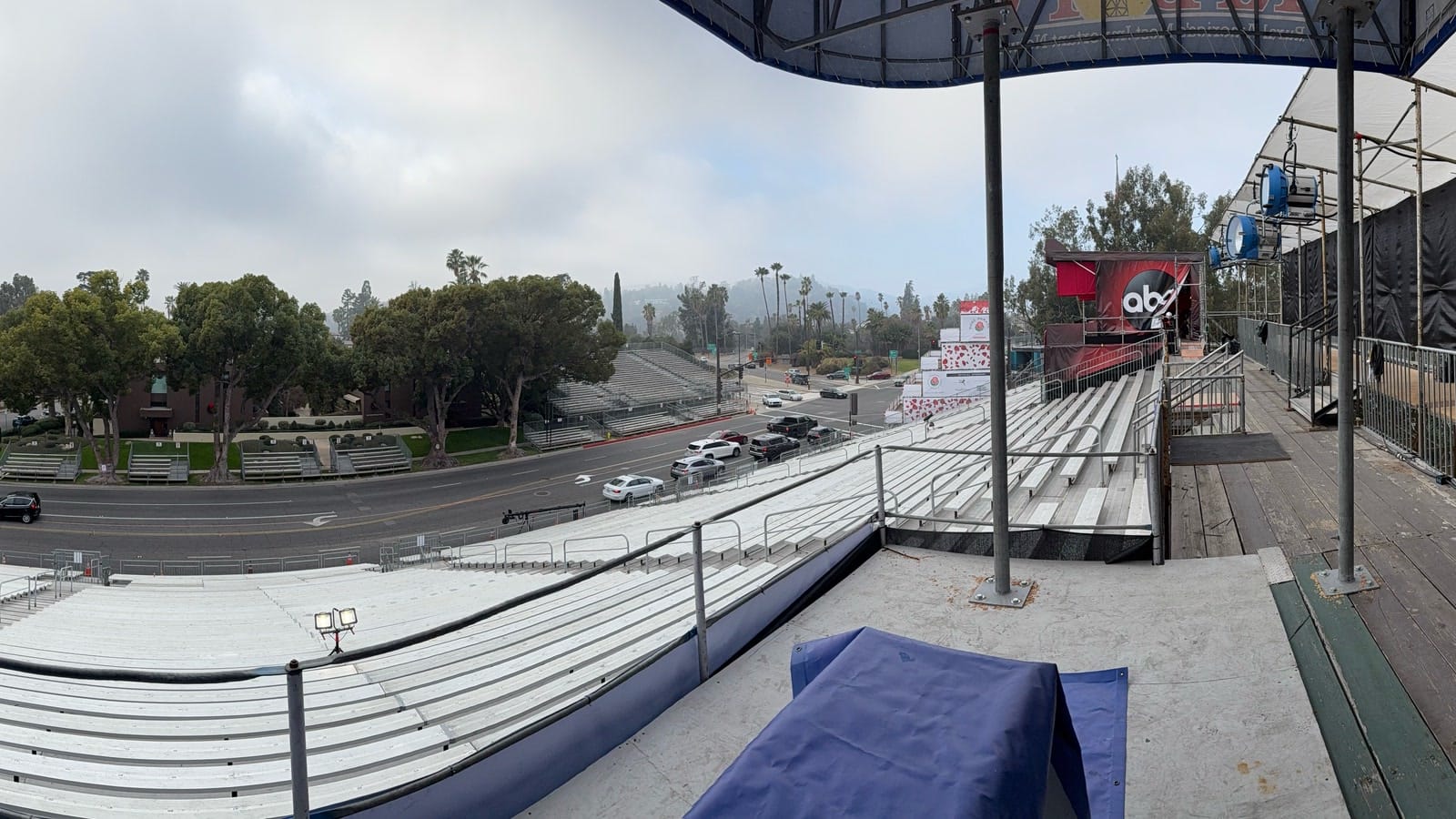
On January 1, the prepared workflow supported the live parade and the team completed the event-day operation and wrap. The strongest lesson was not that an annual event becomes routine. It was that repeatability comes from rebuilding confidence in the system each year through documented tests, explicit backup paths, and time to resolve integration problems before going live.