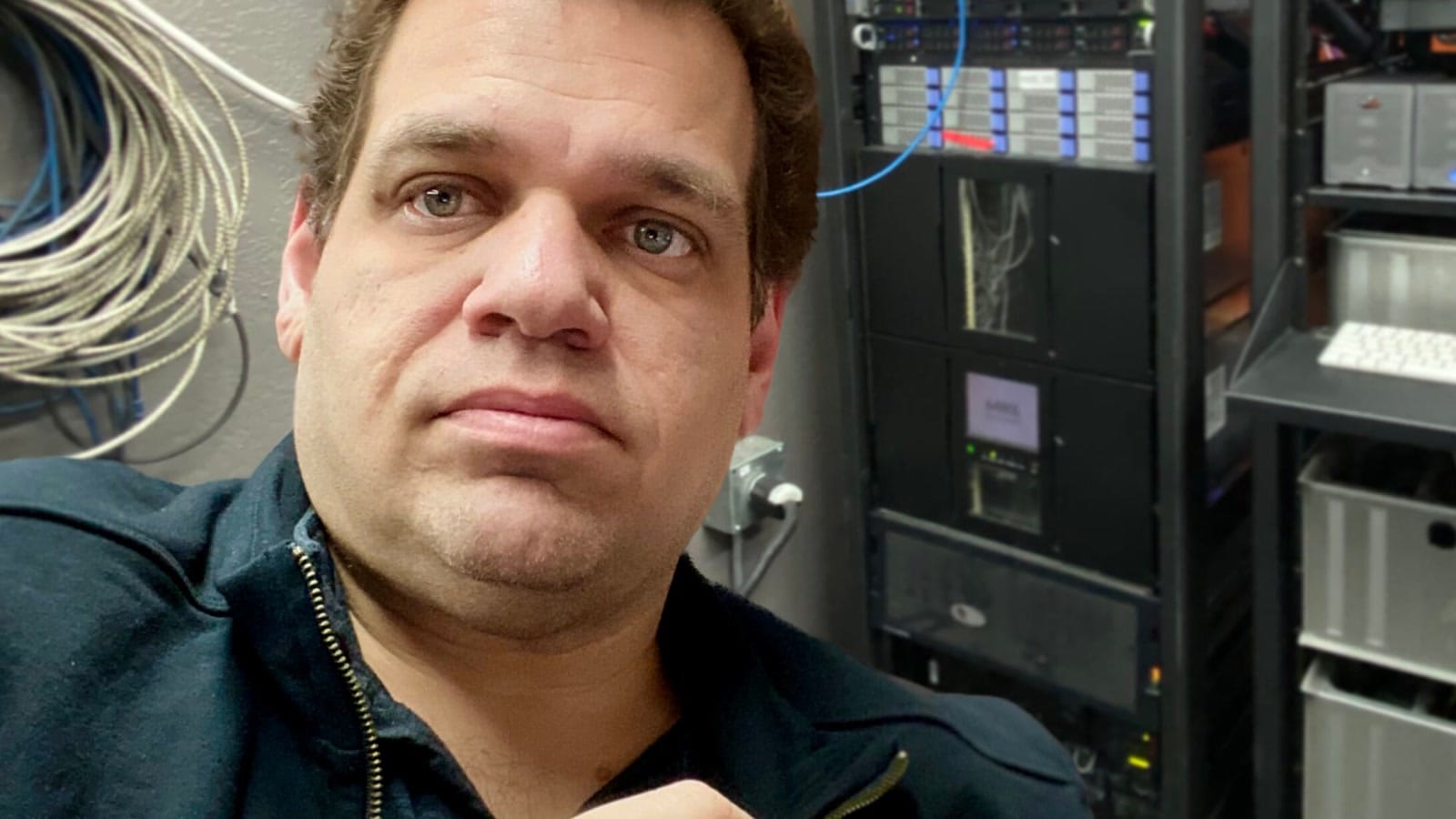
For six years, I served as IT Manager at SetNet, supporting the infrastructure and production workflows behind a company built around demanding, often unusual filmmaking environments. The role called for more than maintaining systems. It required translating creative needs into dependable technical workflows and adapting those workflows as productions changed.
After the pandemic, SetNet's operating model changed and my position evolved from a full-time role into a retainer relationship. The change preserved my connection to the company while giving me room to build a broader consulting practice.
Expanding the work
I began supporting a small group of organizations with very different technical needs, including FeedRF, Streaming Media Live, and Zavala Law Firm. One client might need help with live-production connectivity, another with broadcast or RF workflows, and another with dependable day-to-day Apple and IT operations.
The variety was useful, but it also changed how I worked. In a full-time role, much of the context lives with you every day. As a consultant, I had to make that context visible: document decisions, define ownership, set appropriate availability, prioritize across organizations, and explain technical choices in language that matched each client's work.
That discipline made me a better operator and a better partner. I could bring lessons from live production into conventional IT environments, apply IT operations thinking to temporary event systems, and recognize patterns that were harder to see while working inside only one organization.
Making room for family
The professional change also arrived during an important period for my family. Joshua and Caleb were moving through the end of high school and into college, and the retainer model gave me more control over where my time went.
That did not mean working less or caring less about the work. It meant being more deliberate about commitments so I could remain dependable to clients and present for my family. I had more opportunities to help Joshua and Caleb navigate major decisions, support their goals, and be available during a period that would not come around again.
A broader definition of progress
Moving from full-time IT leadership to consulting did not feel like leaving one career behind. It felt like carrying the strongest parts of that experience into a more flexible form.
The transition taught me that professional growth is not always a larger team, a new title, or a straight line upward. Sometimes it is building a way of working that lets experience travel farther while making room for the people who matter most.