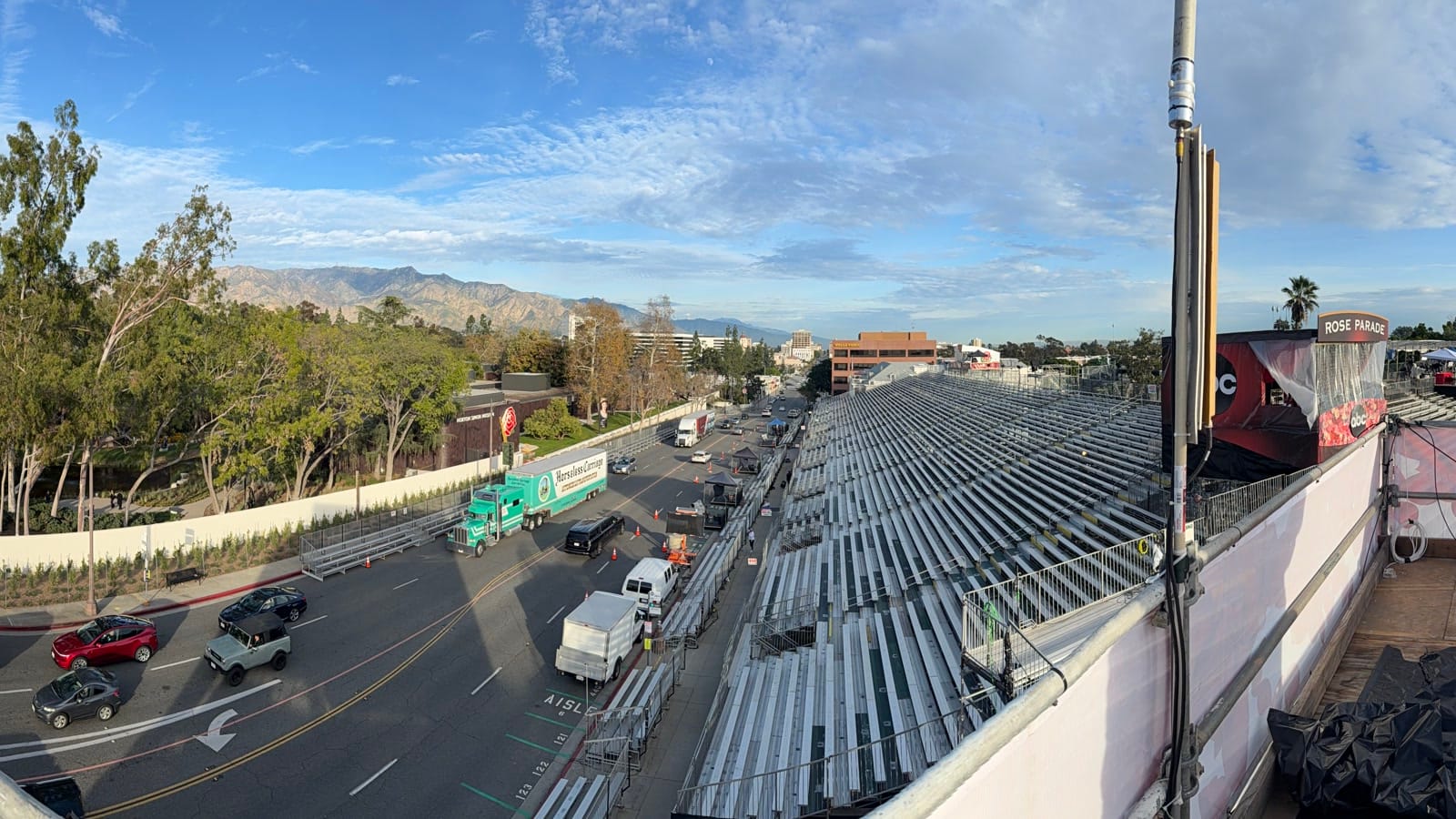
The 2026 Rose Parade returned with the same January 1 deadline and a newly assembled technical workflow. This year's documented work centered on preparing the production platform, validating the distribution and recording path, and carrying those checks into the Pasadena build.
The assignment moved through two connected phases: platform preparation in December and an on-site build during the final days of the year. A successful platform test would mean little if the physical show-week system did not reproduce the same path and recording behavior.
Validating platform and recording before load-in
I began with production-platform preparation, signal checks, and recording validation. Repeated tests gave the team a chance to observe the live path and its record path before the temporary system was assembled in Pasadena.
The useful method was straightforward: verify the input, observe the output, confirm the recording, and repeat the check after a meaningful change. Private endpoints, account details, and configuration values remain outside this article.
Carrying the checks into show week
Load-in and cabling began on December 29. December 30 was dedicated to setup, testing, and final configuration, while December 31 provided a rehearsal and another complete verification window. Separating those stages kept physical installation, system configuration, and production operation from collapsing into one rushed checkpoint.
Each stage created a clearer handoff for the larger team. Cabling could be checked before final configuration, configuration could be checked before rehearsal, and rehearsal could expose the difference between a technically valid signal and a workflow that was comfortable to operate live.
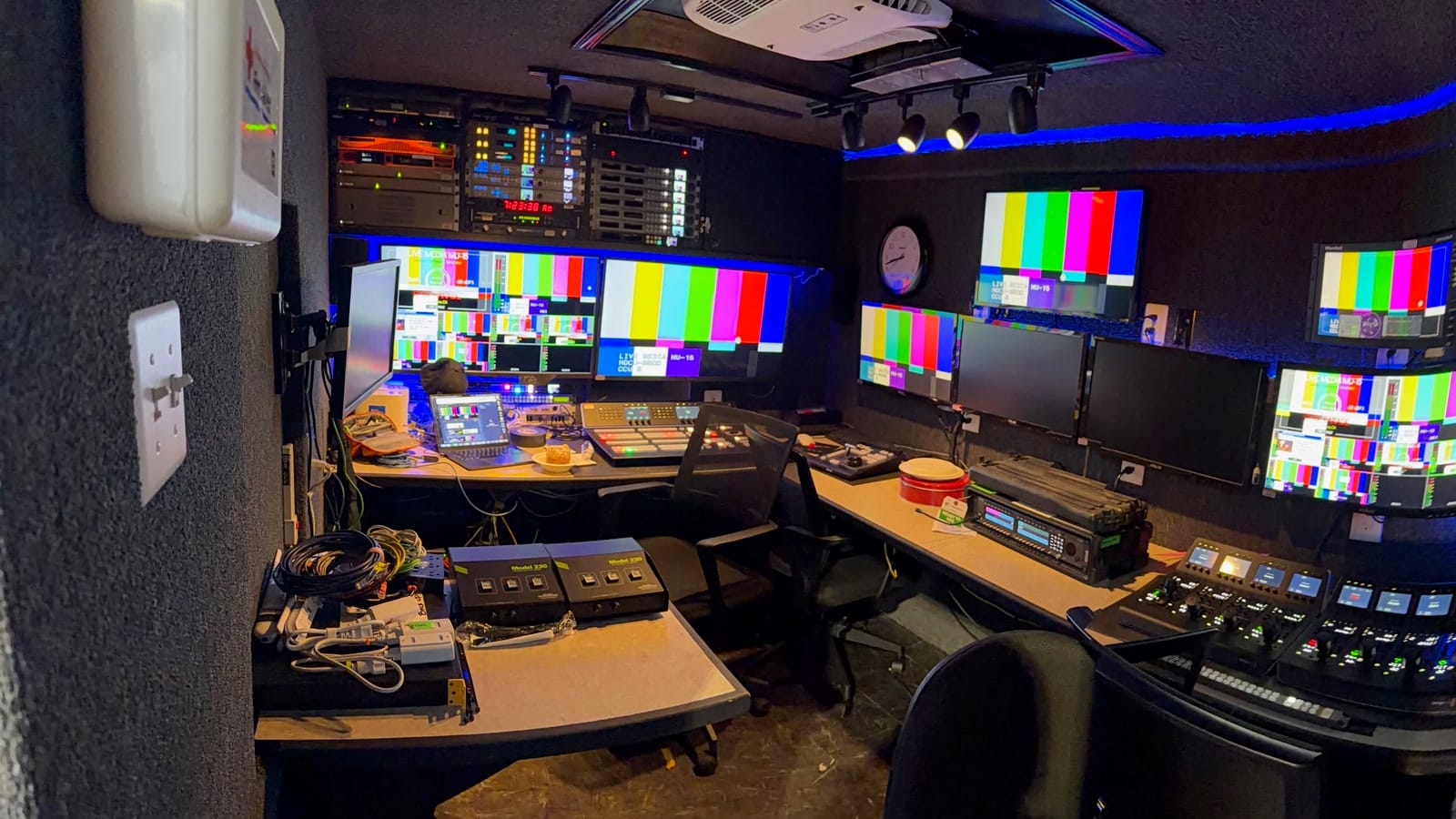
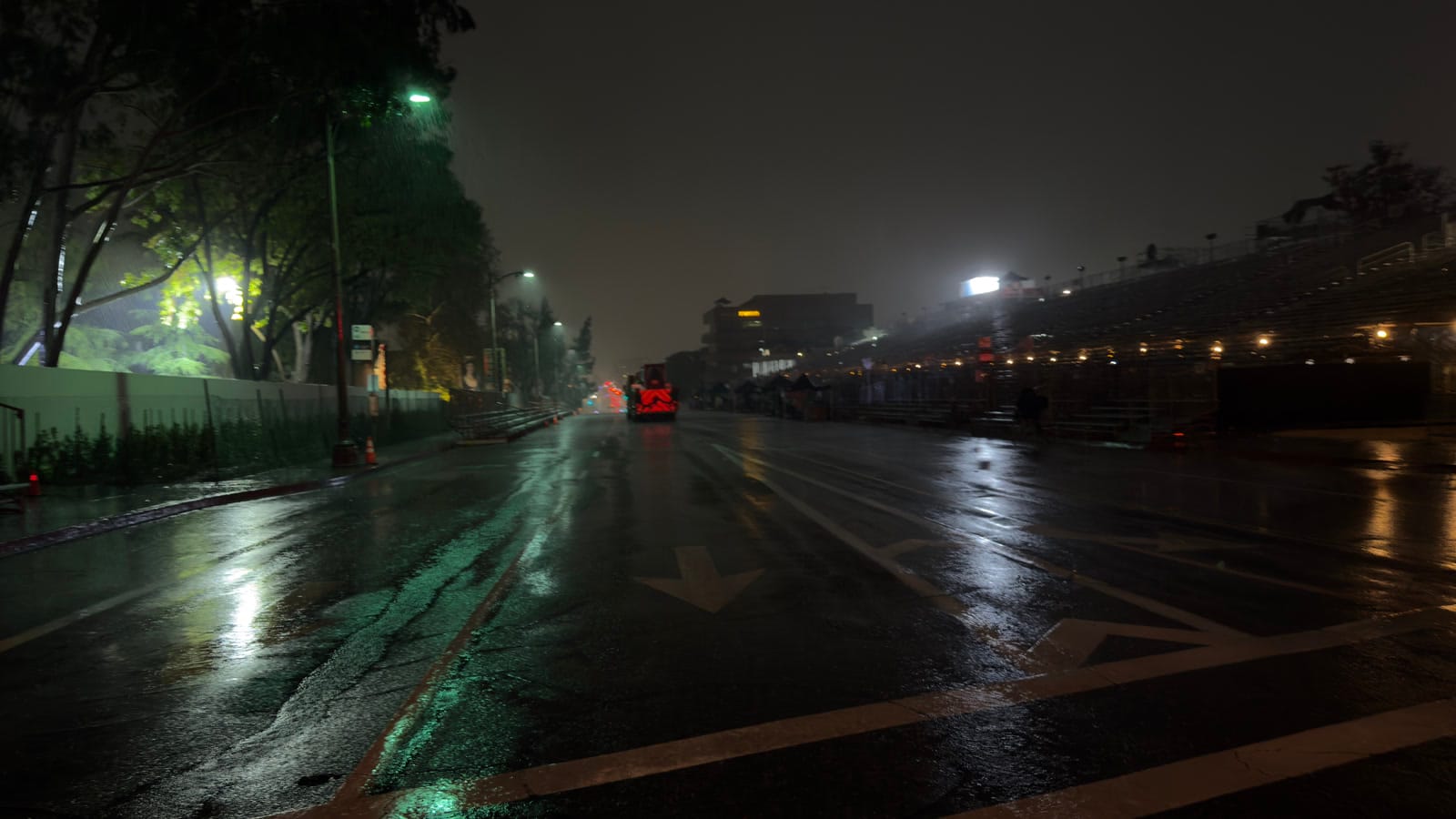
What changed from the 2025 workflow
The 2025 project had emphasized distribution, timing, audience measurement, and failover. The 2026 scope centered on platform readiness and recording validation, then carried those checks through the on-site build and rehearsal.
The prepared system supported the January 1 parade before the team completed the event-day wrap. That is the outcome documented here; the article does not claim more about every destination or recording than the surviving project record supports.
The annual return still mattered because prior knowledge shortened the path to useful tests without replacing them. Reuse the lessons, rebuild the evidence, and arrive at show day with a workflow the team has actually operated.