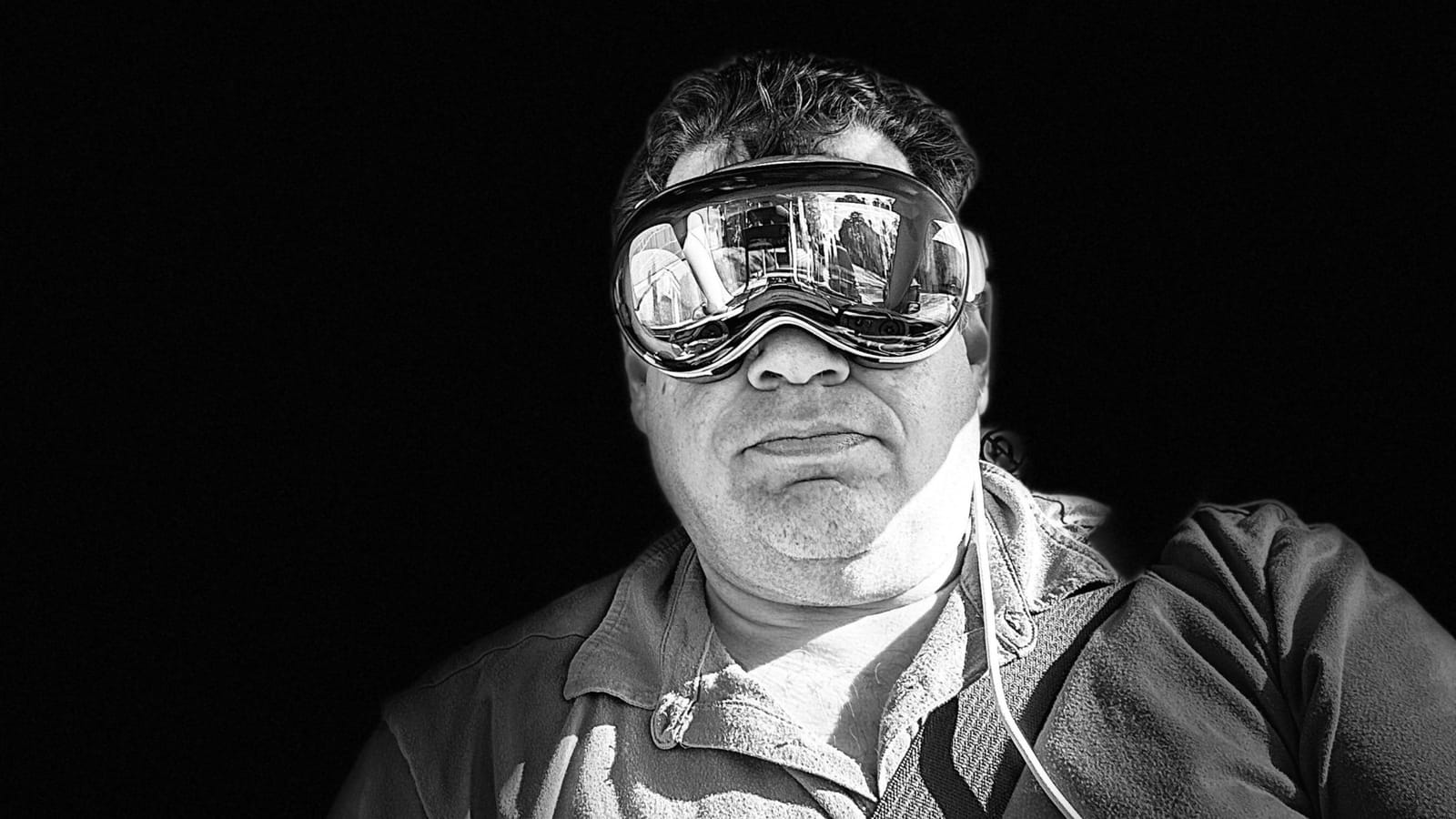
In February 2024, I committed to using Apple Vision Pro as more than a short demonstration. I wanted to understand how its display, spatial interface, and connection to the rest of my Apple workflow felt during repeated use.
What stood out
The micro-OLED displays and three-dimensional interface made text, video, and spatial content feel different from earlier headsets I had used. The useful question was not whether the first impression was impressive, but which tasks became clearer or more natural after the novelty faded.
I also explored how the device fit alongside my existing computers, displays, and accessories. That integration mattered because a spatial computer still has to coexist with files, applications, and habits that already work.
A first-generation tradeoff
The testing also exposed practical limits, including glare, the learning curve of a new interaction model, passthrough quality, and the external battery arrangement. Those were not reasons to dismiss the platform; they were part of understanding where it was ready and where it still asked the user to adapt.
This was an early-use record, not a final verdict on the product category. The value of the experiment was learning which spatial-computing ideas held up in everyday use and which conclusions needed more time.