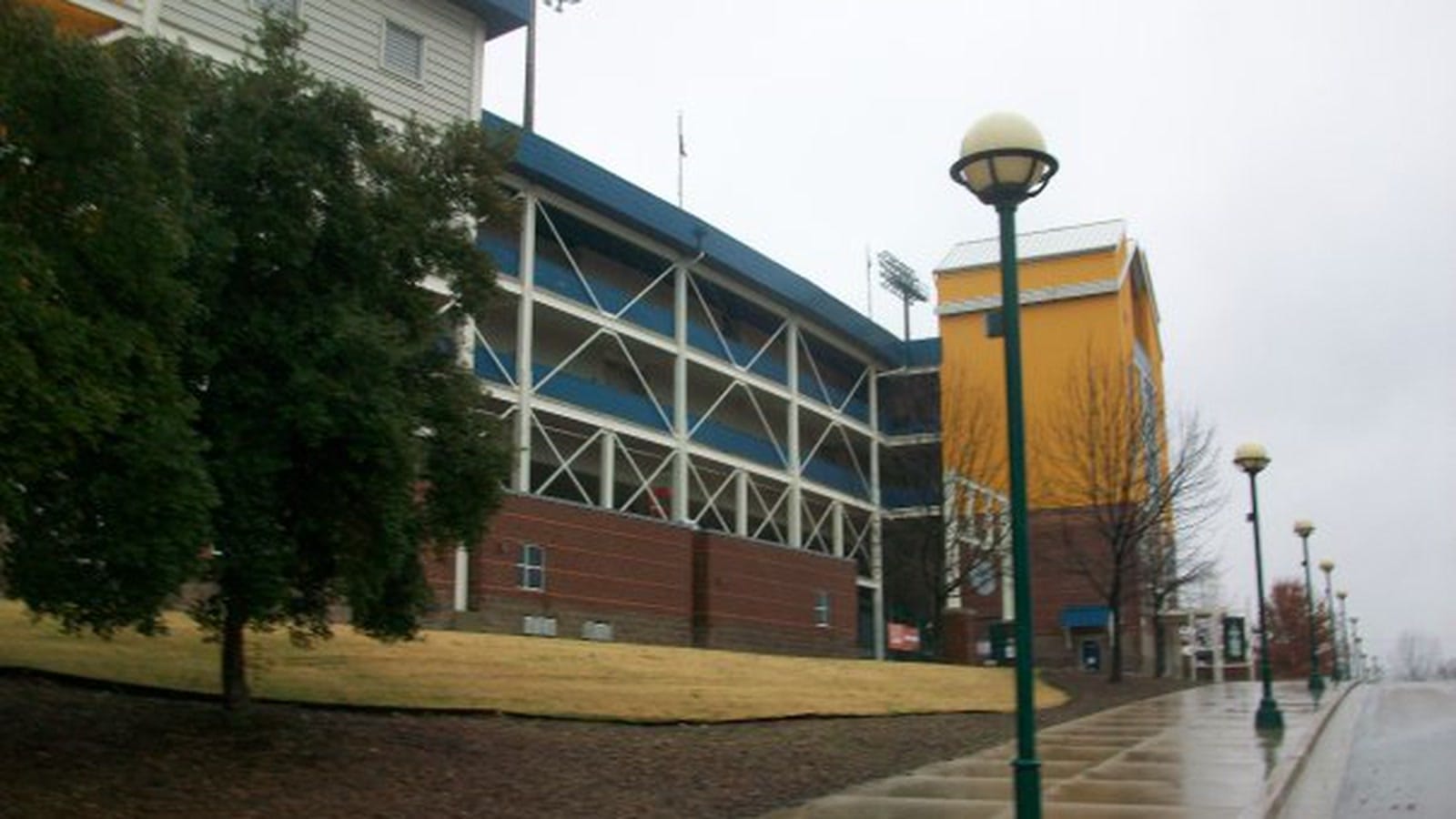
For the May 31 Guatemala–El Salvador match at Finley Stadium in Chattanooga, I was responsible for preparing and operating three Secure Reliable Transport (SRT) feeds. The work began with a dedicated test day so the production and receiving teams could validate the complete routes before the live window.
I coordinated with client engineers to confirm that each source, server configuration, endpoint, and network handoff was aligned. Testing the full paths together gave everyone one shared operating baseline instead of treating each part of the transmission chain in isolation.
Validating the complete route before match day
SRT is designed to carry video across variable networks, but its operating parameters still need to match the real route. I adjusted bitrate and latency, verified the endpoints, and repeated the process across all three feeds so the team could enter the live window with tested settings.
The settings involved a practical tradeoff. Bitrate determines how much video data the path must carry, while latency gives SRT time to recover delayed or missing packets. My role was to select a combination suited to the available routes, confirm it with the receiving engineers, and document the baseline for match day.
Creating a shared operating baseline
I documented the feed map and operating parameters, confirmed the server-side configuration at the level needed for the show, and coordinated directly with the engineers receiving the feeds. That preparation gave the production team a clearer handoff and a common reference for final checks.
The useful lesson was not any private address, port, destination name, or access method. It was the value of testing the complete route, agreeing on the settings, and making sure the people on both ends understood the same operating plan before the production went live.
Monitoring the live window
On May 31, I repeated the final connectivity checks, monitored all three SRT feeds, kept the client teams informed, and made adjustments within the agreed operating plan as conditions changed. The tested baseline and documented handoffs gave the live team a more consistent way to coordinate throughout the match window.
The assignment reinforced why transmission testing should reproduce the complete route instead of checking devices in isolation. A dedicated test day gave the team time to validate all three paths, align the technical handoffs, and begin match day with a workflow that had already been exercised under real operating conditions.